
A couple weeks ago, a few of us from the Distant Moon team spent several days in Nashville at the National Religious Broadcasters convention. If you’ve never been, imagine thousands of people who care deeply about media, ministry, and the future of storytelling all gathered in one place.
We called it “The Future of Film.” The room filled up with nonprofit leaders and storytellers who are using film not just to entertain people, but to advance missions that genuinely change lives.
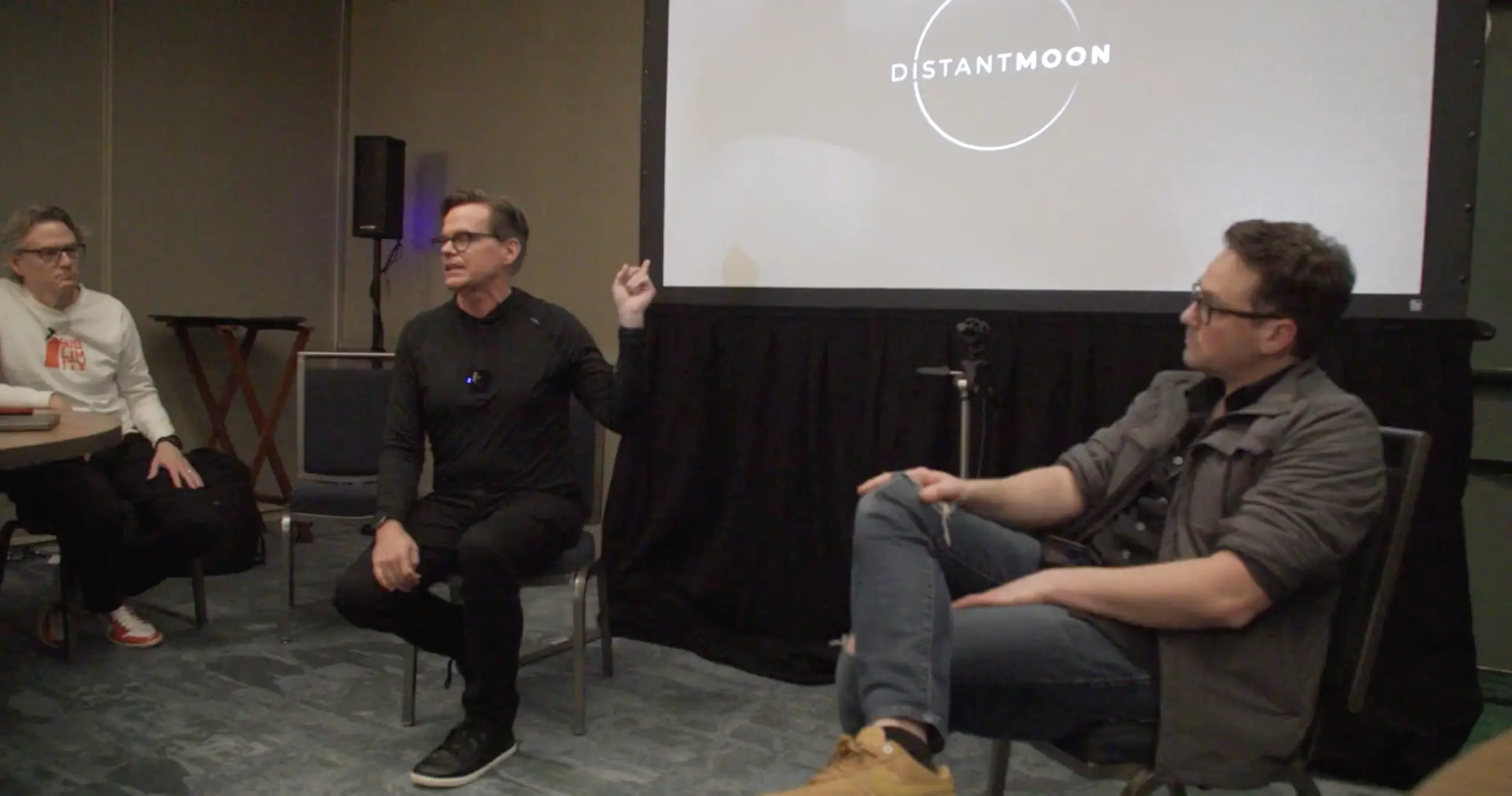
But instead of doing the typical conference thing (you know: PowerPoint slides, a panel of experts pretending to have all the answers, etc…) we tried something different.
We handed the microphone to the leaders in the room and asked them to share the film they’re most proud of. And to discuss what worked…and what didn’t.
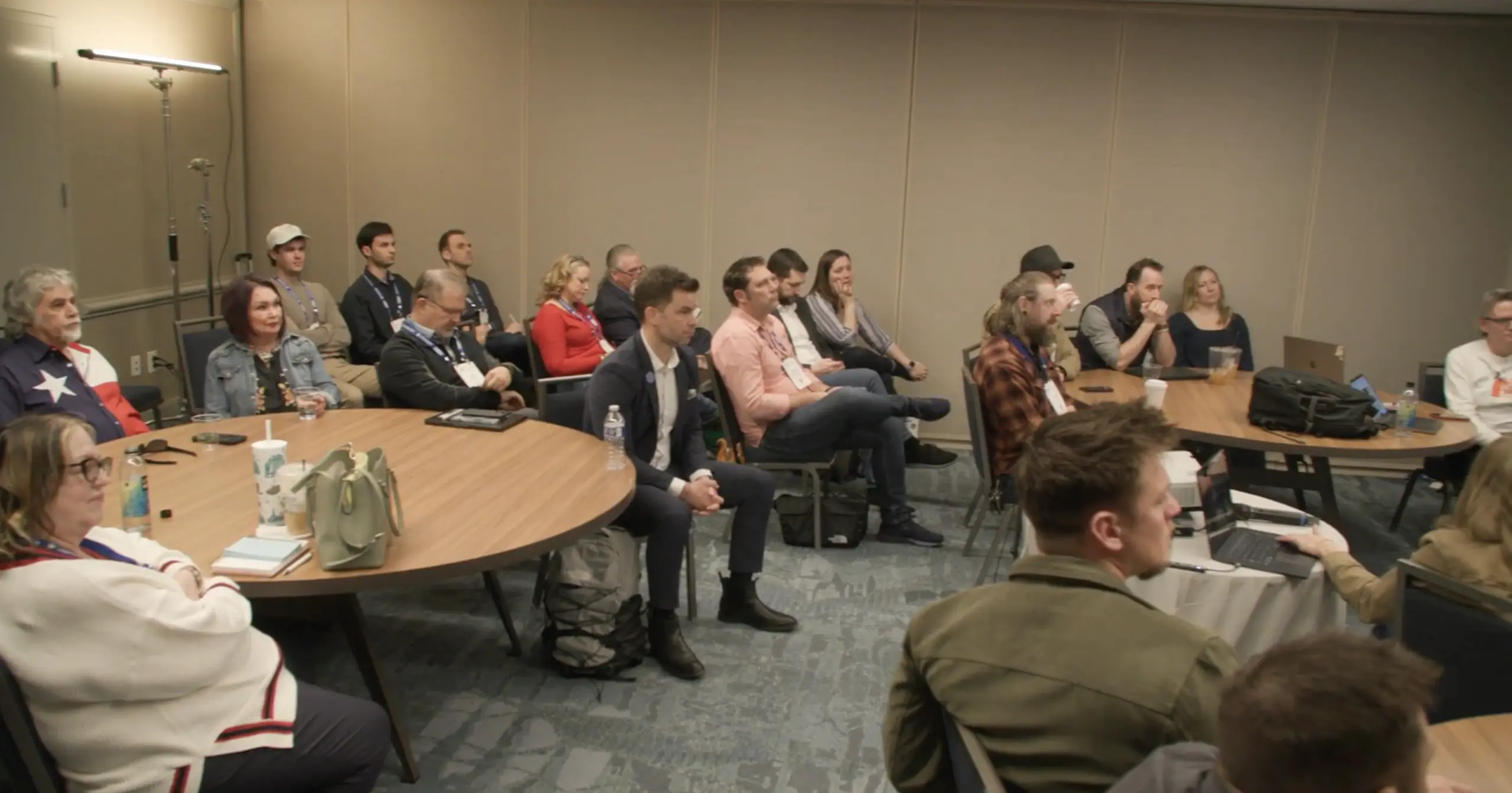
The stories ranged from prison ministry to Bible translation to missionary work in Ecuador. Different missions. Different audiences. Different goals.
But as the conversation unfolded, a few themes kept surfacing about how organizations are using film today.
- The best films do not live alone.
- Authenticity is the most powerful currency in storytelling.
- Clear purpose shapes great storytelling.
- Sometimes the audience understands the story better than the filmmaker.
So instead of a traditional newsletter this week, I wanted to share a few highlights from the discussion. Each one captures a different way organizations are using film to expand their mission.
Prison Fellowship: One Story as an Ecosystem of Impact
One of the films we featured told the story of Jermaine, a convicted felon who encountered Christ through Prison Fellowship and turned his life around.
What I loved about this conversation with Marko Albrecht was how it shows that a documentary is rarely just a single piece of content. The real impact comes from how organizations extend that story across multiple channels and audiences.
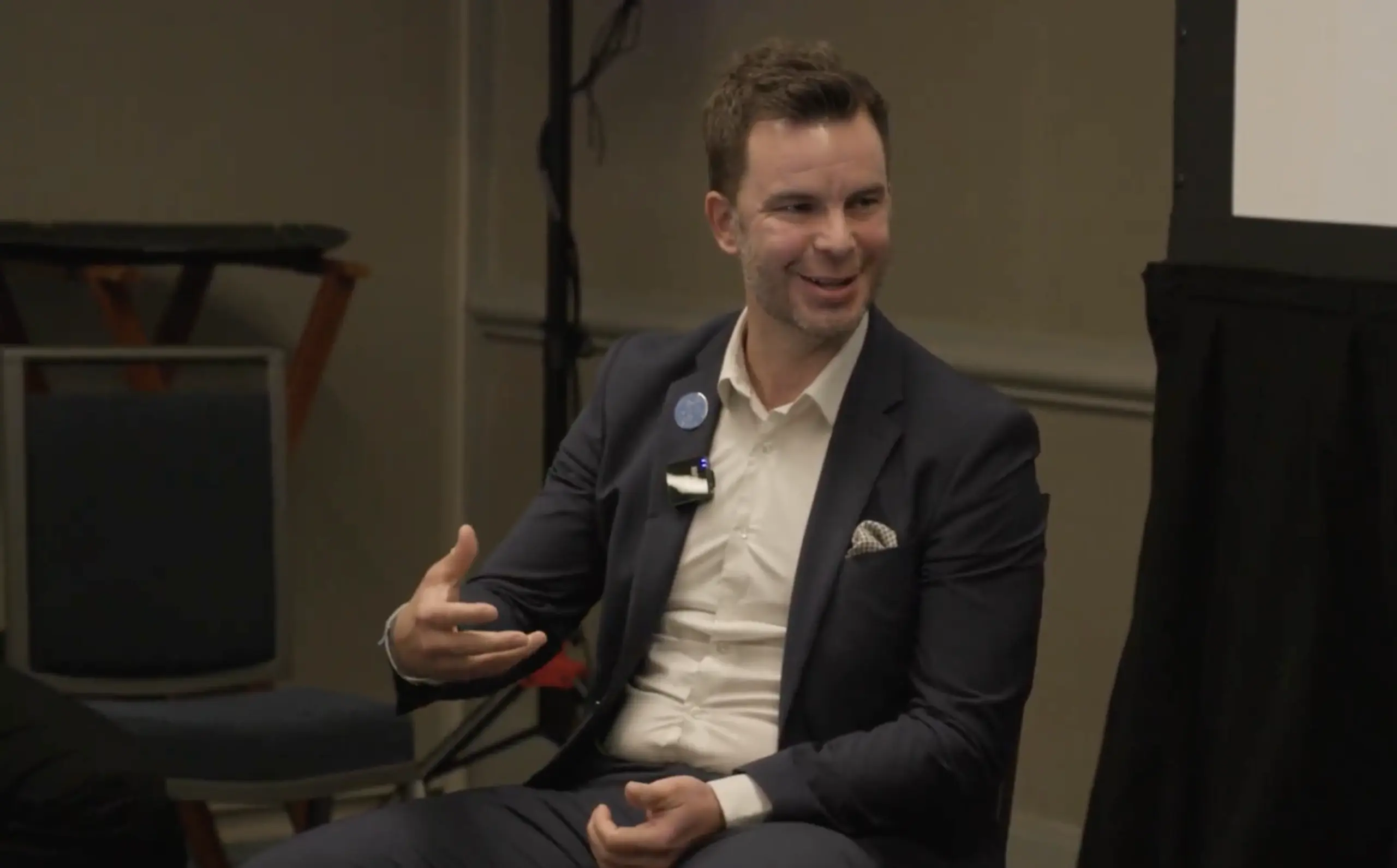
Here is part of our conversation with Marko:
Ian: “That is a great story. It’s really cool to see stories like that. How are you guys using this branded doc, and what is the objective in terms of what you are wanting to accomplish with this?”
Marko Albrecht: “The objective is, the mission is always first, right, to have that encounter with Jesus. And then with this, there are multiple variables with it. We had it as a short doc that churches play in their services. That is why it is that three minute length. There is a little slot you get to put it in, and you will see this in the service. And then afterwards, we have our church mobilization team led by Will and they kind of sign up churches on the fly.
We have Jermaine as our mission ambassador now, so he takes this into speaking engagements with corporations. So we built corporate restoration partners where they build out long term donors. We run CTV ads from this. We do cut downs at 30 seconds. We have social media clips from this and teasers. So we really try to extend content out to reach those goals. And this one had really, really great results.”
Ian: “When you talk about all the different types of content that come from the single piece, where have you guys seen, as an organization, the biggest kind of shifting of the needle? Has it been in churches, or has it been on the CTV stuff? Or where are you seeing the most impact?”
Marko Albrecht: “Well, luckily, we were kind of early movers a little bit in terms of three and a half years ago, there was not as much content. Now, you said there is every day, there are like five, six million videos uploaded an hour even now. It is absolutely insane. So you have to keep up with that.
This [documentary] is about two and a half years ago now. We have 100,000 subscribers on our YouTube channel. This had 120,000 views. The CTV metrics on this did really well. We run ads on this and it had a 23 percent increase month over month, using variations of this ad, different hooks, endings, and trying out different things.
[What] I think is important to hear you talk about here is the audience, because what the audience wants to see is always changing. But then also Jermaine, he played this at Chick-fil-A headquarters, and he said everybody started crying. So I think there is that heart, changing minds and changing hearts. For a guy like Jermaine, just to tell his story, I think there is healing there too on his end as well.”
Featuring stories like Jermaine’s remind us that a single film can ripple far beyond the screen. But just as important as reach is something we heard about in the next conversation: authenticity.
Seed Company: Authenticity Still Wins
Seed Company produced a beautiful film about the translation of the Bible for the Notsi people in Papua New Guinea.
Their approach highlights that, sometimes, the most important metric for a film is its authenticity.
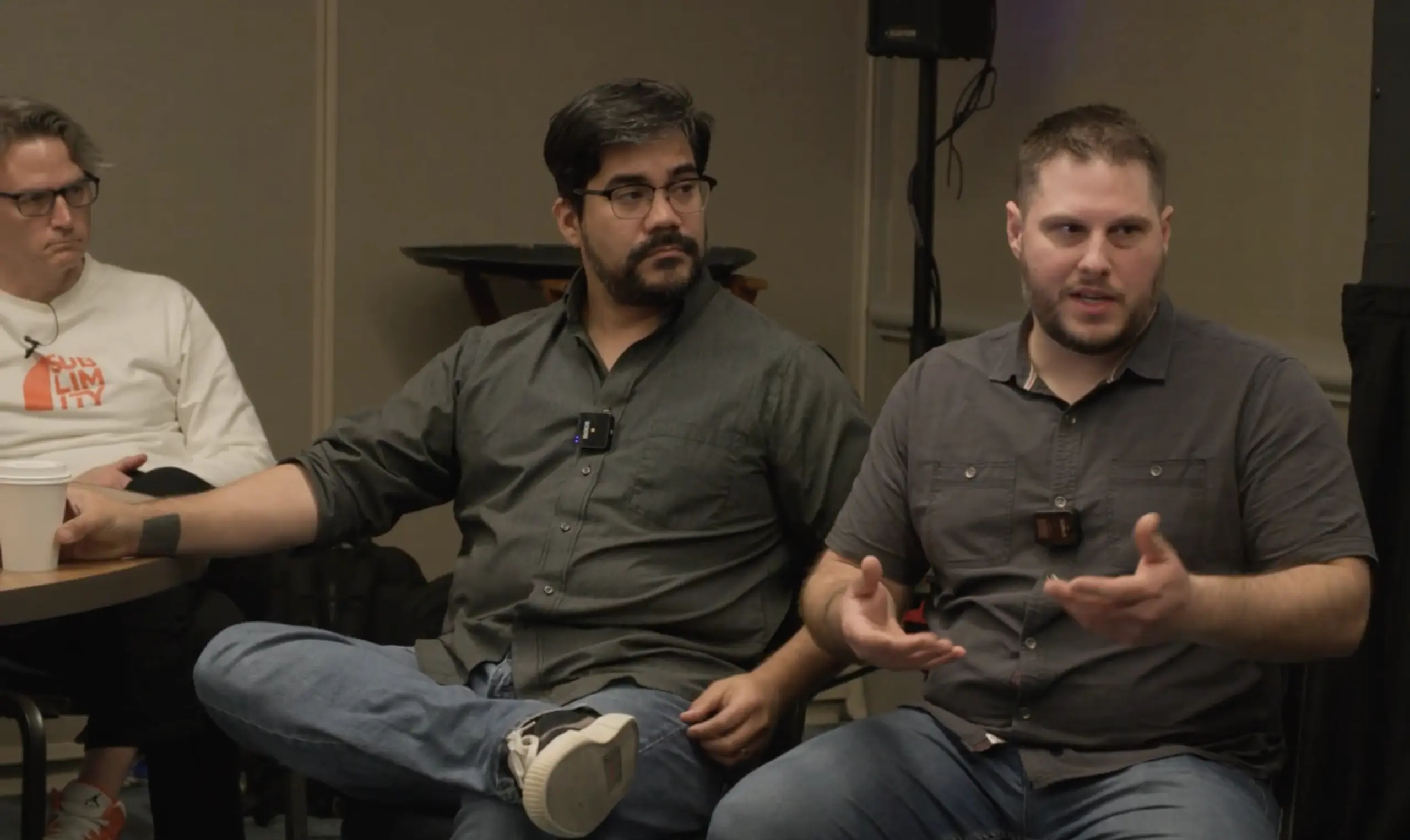
Here’s what producer Jim Monroe (pictured above on the right) had to say about that:
Ian: “First of all, beautiful film. When Seed Company makes a film like this, you mentioned that the primary audience is investors and donors, correct? So talk to us a little bit about the different types of content you have experimented with as an organization. Is it all that cinematic, visual approach, with the characters themselves telling their story? Are there other formats?
Jim Monroe: “This specifically was a dedication, but we do not just document dedications. We also do story trips, where we focus on small communities or individuals and tell life impact stories. In the past couple of years, we have been branching out even more, trying to bring in broader audiences as well. Because for years, our department was more like a white glove: high quality films for our investors. We have a great marketing team too, so we still focus on high quality films like this in our department. But we also assist our marketing team by giving them the footage and content. They have been doing a great job creating little snippets and pieces that are easy to watch. You pop it up, it is just a few seconds long, it intrigues them, and then they do a build up release to the actual film that we make.”
Ian: “What I am curious about is how do you guys define project success? When you are showing a film like this to a small, close group of people, or individual donors, what are the metrics that your organization is using to go ‘This was a successful project, or this was not a successful project’?”
Jim Monroe: “Our primary focus is, has been, and always will be, authenticity. People want real. When we do what we do, they want real. And that is what we try to reflect in a lot of our films.
The feedback we got from the individuals who have seen it, especially ones who have served and lived in Papua New Guinea, has been really positive, saying that this, like some of those shots at the very beginning, people washing their clothes in the river, getting coconuts out of trees, the sounds, that is authentic, that is Papua New Guinea. And that is what our investors want. They want to see, we live in such a closed-door, bubbled reality, being able to see God’s impact globally is huge.”
Authenticity helps audiences trust what they are seeing, which can be considered a win. But as the next conversation shows, some organizations wrestle with the question “What does success actually look like for us?”
Global Outreach International: The Tension Between Art and ROI
Josh Yerkes, the VP of Development at Global Outreach International, shared a challenge that I suspect many nonprofits in the room could relate to.
Sometimes the question is not “Is this a great story?”
The question is “What is the ROI?”
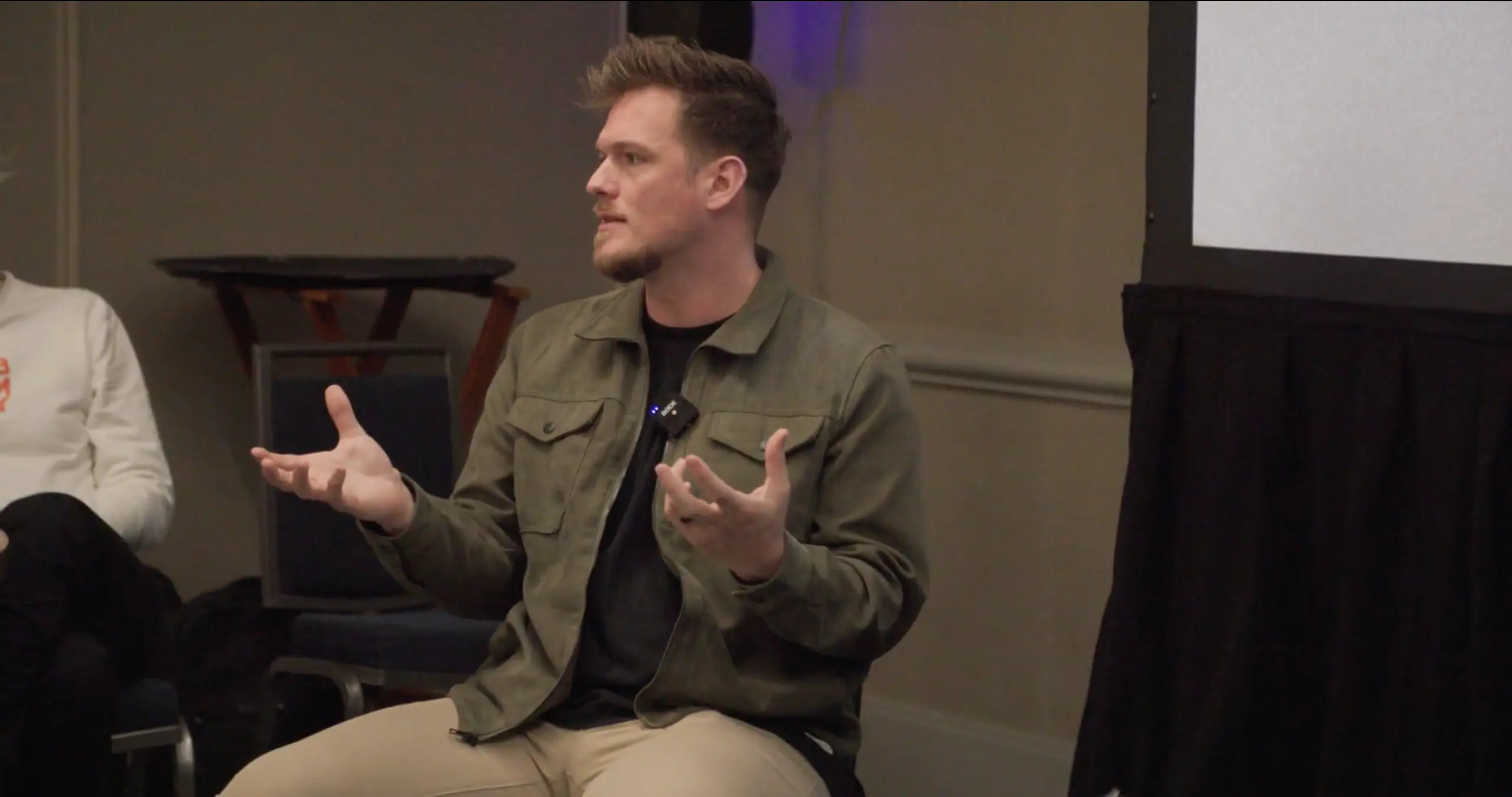
Here is part of that exchange:
Ian: “What was the biggest challenge from your perspective in making this project?”
Josh Yerkes: “The biggest challenge was this: ‘How do we reconcile something that we just want to be a beautiful piece of art that challenges people, however it challenges them, and then [knowing that] we need tangible ROI and [how do you] bring those things together?’ Which is kind of what you saw. It is tailored there at the end, to invite a donor into giving, into a digital sustainer, monthly giving program we call ‘The Farm.’ I think we landed where it is, in a good place with that tension.”
Ian: “What does victory look like with GOI’s media strategy?”
Josh Yerkes: “We have two marketing strategies that actually compete against one another: the recruitment of missionaries and then also donors to fund that, because we accomplish that vision at no cost to the missionary (we do not take a percentage from our missionaries).
For support based missionaries, raising funds for their specific work is vital care for them. And so with this film, we are kind of recruiting missionaries like, ‘Hey, go be a part of missions!’ But while doing that, we are increasing our costs, so we are also recruiting donors that says ‘Hey, maybe going across the pond is not your part in missions, but here is one way that you can support that.’
And so that marketing strategy success really looks like more missionaries, which means a greater need and more partners to fulfill that.”
Josh’s story highlights the tension between telling a meaningful story and delivering measurable results. And often, the bridge between those two things is surprisingly simple. It begins with understanding the audience you are trying to serve.
Soil & Story: Let the Audience Interpret (and Guide) the Story
The final conversation came from Geoff Peters, CEO of Soil & Story, who works with projects like The Chosen and other major faith-based productions.
His insight reinforced something I have written about before in this newsletter:
The audience is the hero.
Sometimes the most powerful thing we can do as filmmakers is listen to how communities interpret a story.
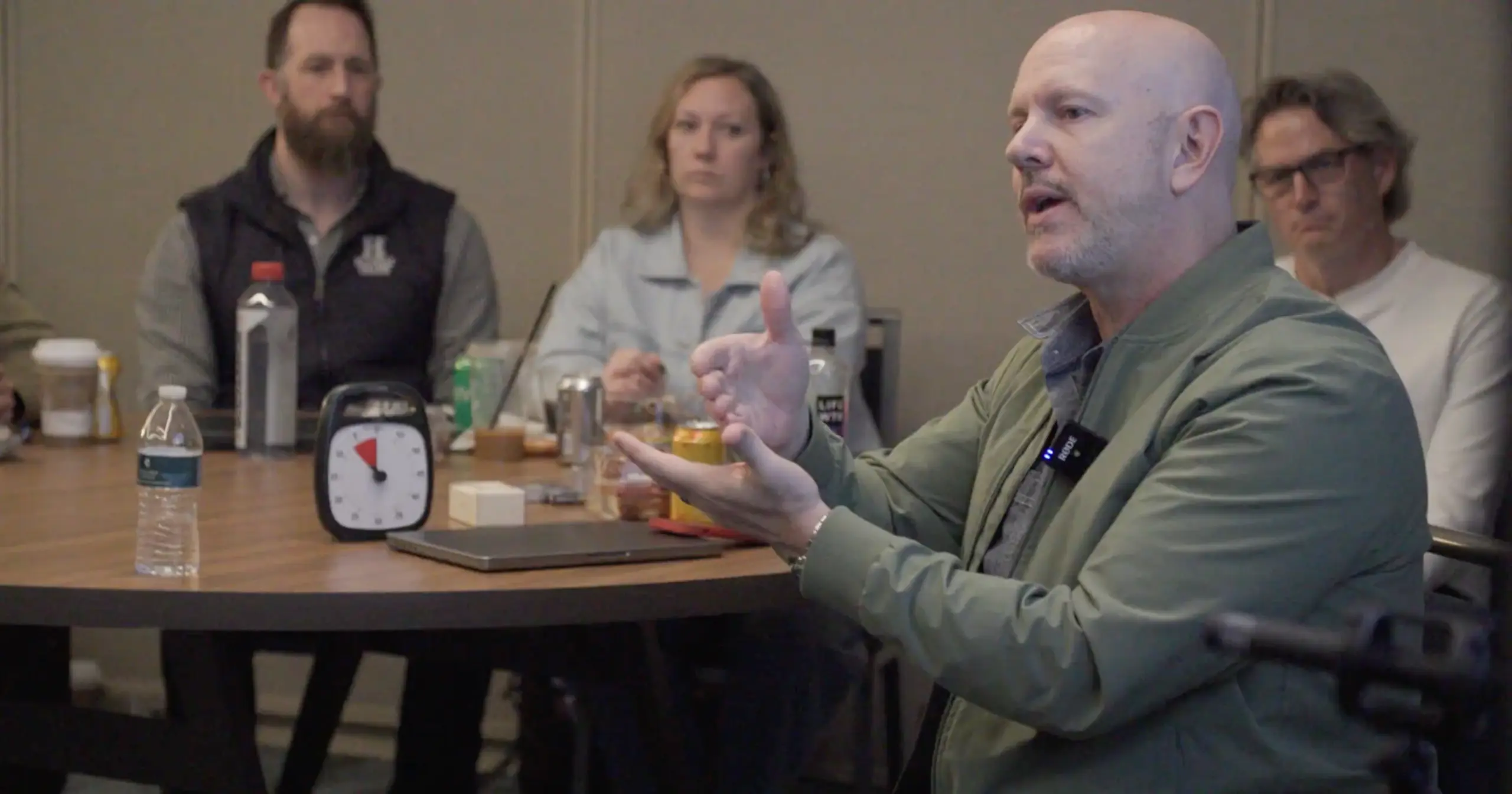
Here is what Geoff shared:
Ian: “You mentioned before the video some of the work that you guys are doing, working with The Chosen, working with some other productions and organizations. I guess maybe as a starting point, what are the things that you guys are seeing as you are working with productions like The Chosen that you are like, ‘Wow, this is something that nobody is thinking about! And if more organizations knew this, it would really help them’?”
Geoff Peters: Yeah, I think what comes to mind first is two examples. A few months back, I was with, we had a round table with ministry leaders in Brazil, and we were talking about an upcoming film from The Chosen (which will come out early 2027). We gave them the basic specs on how many people would come to theater showings and what has happened historically. And we asked them, as the leadership of the body of Christ there in that place, that as you pray and discern, what do you think God is telling you about how many people should come and see this film in theaters in the first 90 days?
And the number they came back with was two and a half times higher than what the industry metrics told us was possible.
And so the first lesson was that the body of Christ often has a much bigger idea than if we just go with what industry says. If we do not invite the Holy Spirit into that process, and we do not talk to the local believers, we do not talk to the local church, we can potentially underestimate what God wants to do.
The second big learning is really one that is right in the midst of us right now. Next week, I will be in the UK with another film about miracles (different piece) that we are helping to work with. But in the UK, pastors are saying they want to be able to utilize this film. They want to promote this film. They want to get people to see this film because, in the UK, they have an epidemic of loneliness and they believe this film shows a God that is next to you and near you, even if you do not feel like anybody sees you. This is not what the filmmakers intended. But when you ask the local church how they might use it, how God might use it, they are seeing it through the lens of that loneliness and God is always with you.
So…when the local soil of believers and church leaders looks at [a film] and they know what their community issues are, they are going to actually want to market, promote, and utilize that film for a different purpose that is contextual, right for them, right for themselves, even if that is not what the filmmakers intended.”
Geoff’s insight brings the conversation full circle: Great films rarely stand alone. They become the starting point for an entire ecosystem of storytelling and engagement and authenticity matters because when audiences sense something real, they lean in.
Clear purpose matters because when organizations know what they are aiming at, the film becomes a guide that helps people move toward action. And finally, sometimes audiences understand a story in ways the filmmaker never anticipated.
All of this points to something essential for storytellers and the organizations they serve. Film is not just about creating beautiful images. It is about helping people see the world and their place in it a little more clearly. When that happens, stories can move hearts, spark conversations, and sometimes even change lives.
Here’s to Human Flourishing.
-Ian